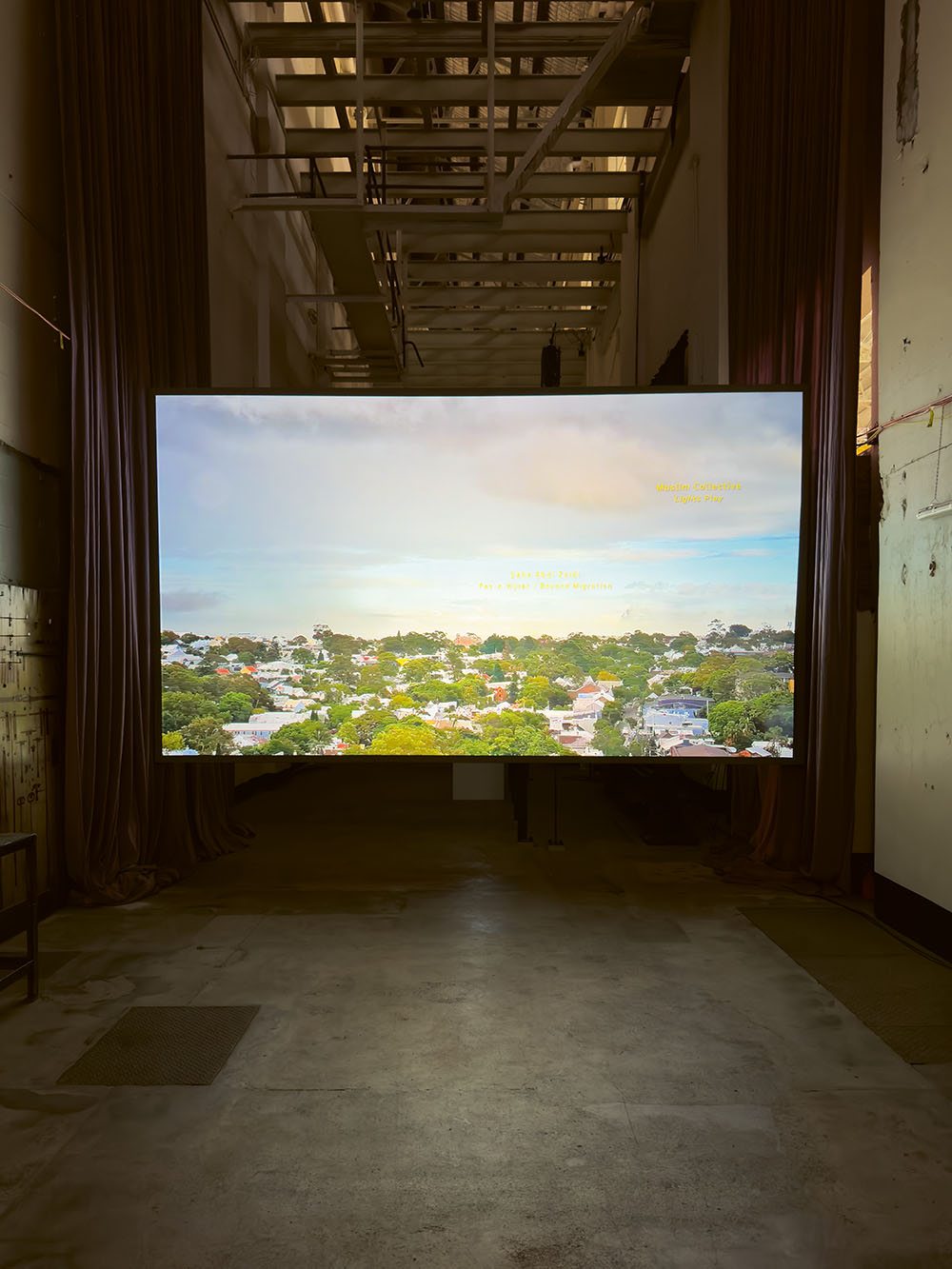
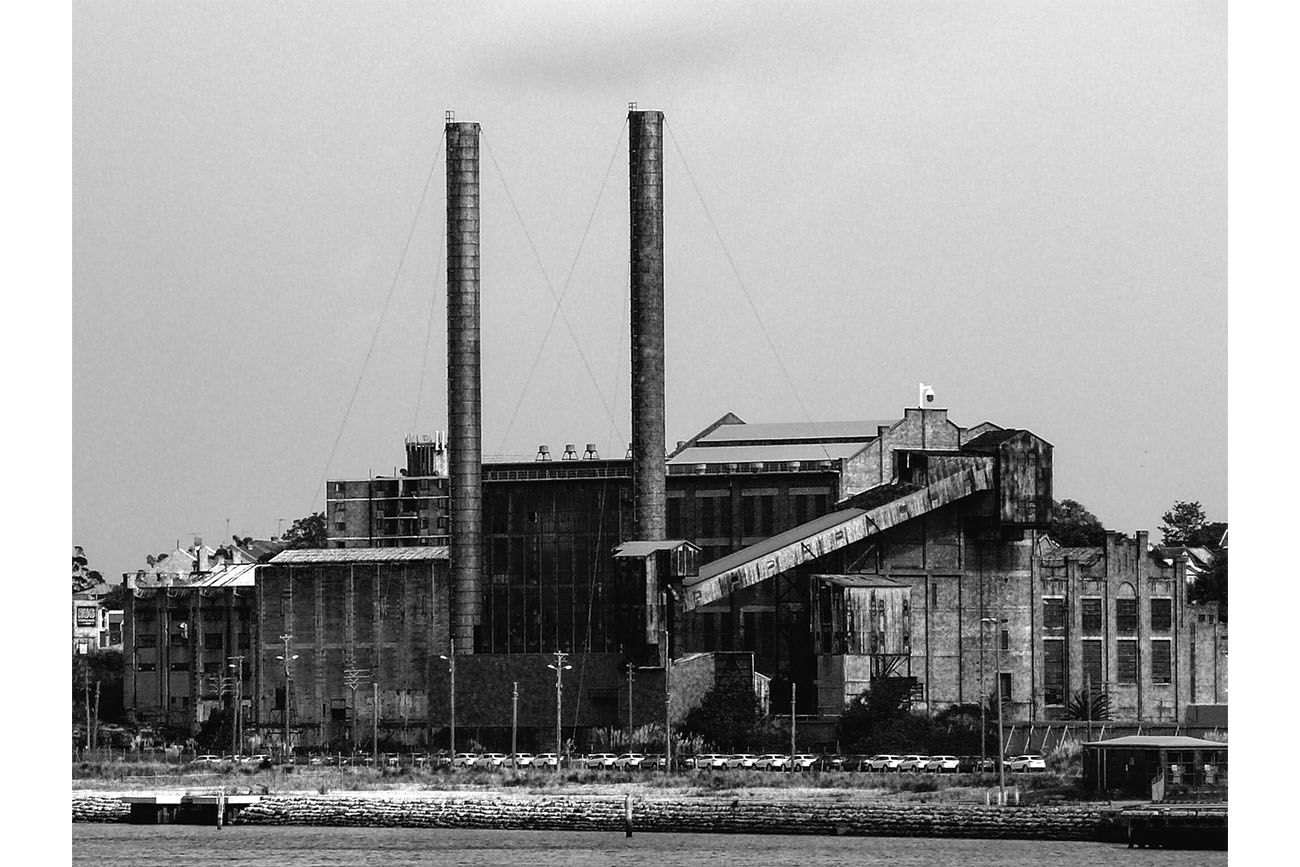
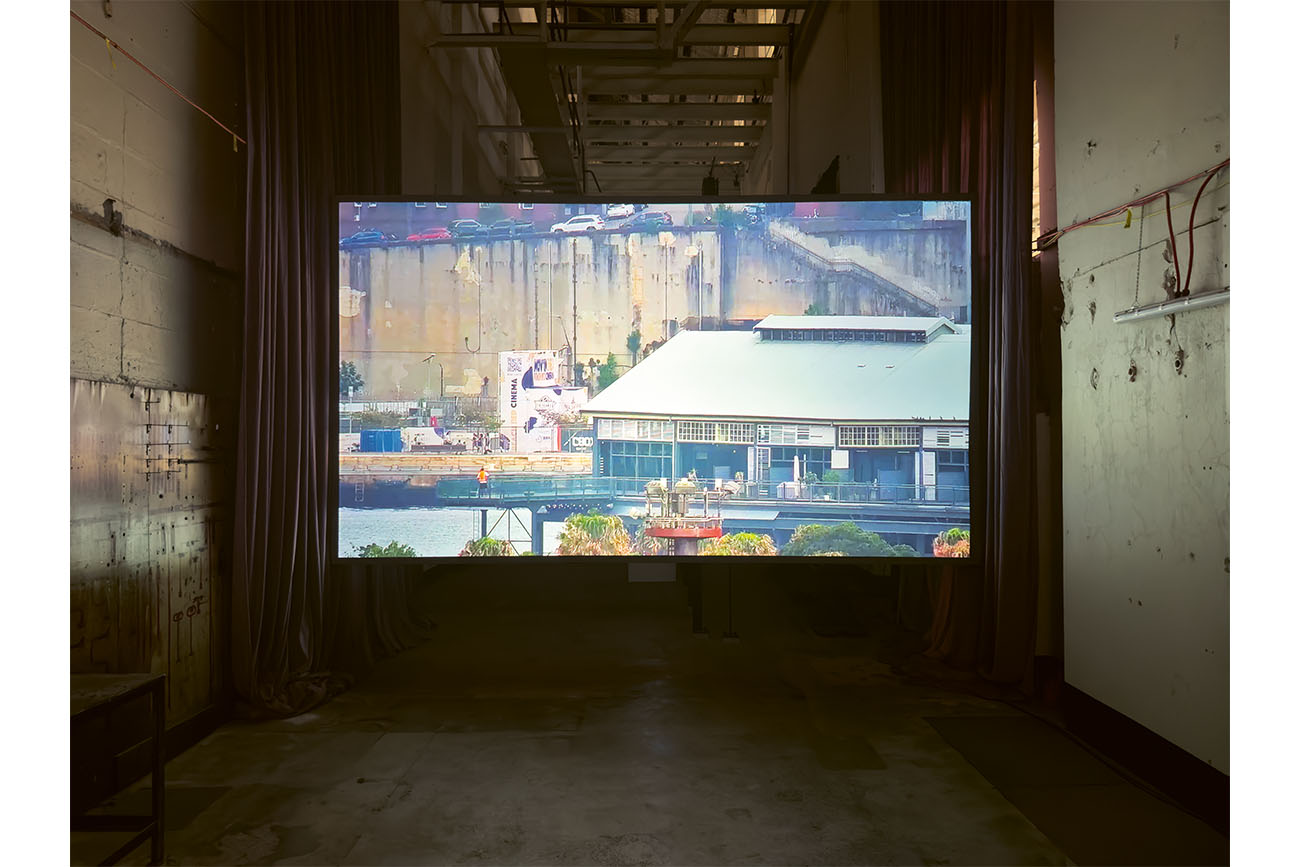
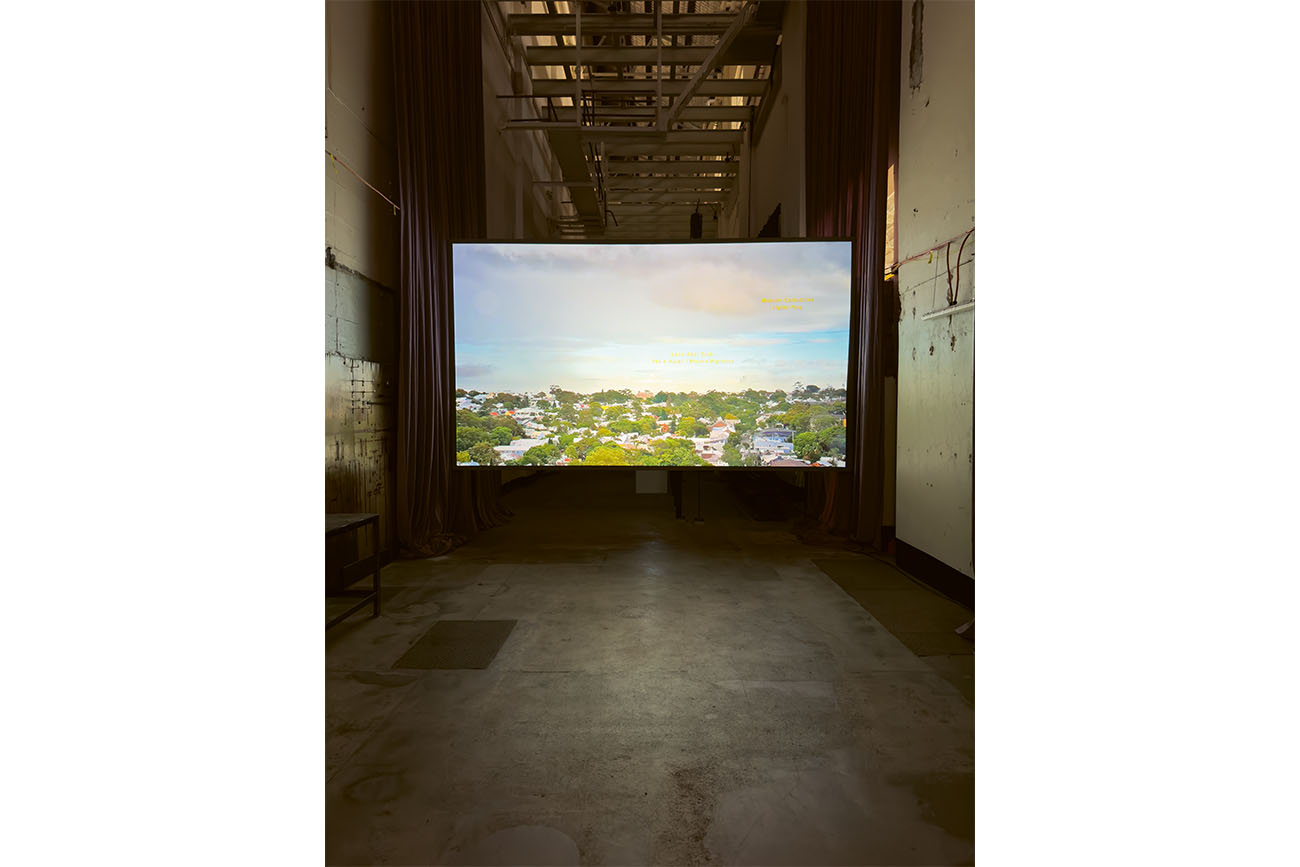
CAMP’s most visually spectacular and sustained line of inquiry grows directly from the same preoccupations that animate the archive—questions of who controls the image, who distributes it, and what happens when that power is redistributed.
It was a cheap CCTV camera, spotted first in beauty parlours and markets across Mumbai—even an abortion clinic—that would provide inspiration. This technology, although democratised by falling prices, was being used almost universally for surveillance and property protection. For CAMP, however, it held much more potential.
The first significant experiment came in 2006, during a residency at Khoj, Delhi. Anand set up CCTV cameras, connecting four female migrant workers in the city’s Khirkee neighbourhood, so they could all see themselves and each other simultaneously, through their home televisions. Having constructed this circuit, she stepped back. What remained was an equal access, unmediated conversation—entirely the participants’ own. Several such episodic interactions took place during Khirkeeyaan, in a mash-up of CCTV and Cable TV. The rock-paper-scissors game had been completely rearranged.
In 2008 came an invitation to work in Manchester. Here, through the project CCTV Social, CAMP did something audacious. Working with Manchester Metropolitan University, they opened up working CCTV environments to the public. Over a week, thirty-six people normally “enclosed” by these networks came into control rooms “to view, observe and monitor” what was taking place. The conversations that unfolded—between visitors and operators—became the work itself. They also became a kind of ‘clinic’, with public participants and security officers entering a “two-way therapy session”, where anxieties and understandings were shared.
Capital Circus—a film produced out of another part of the project that took place inside the Arndale Shopping Centre—saw over a hundred people claim their individual images through provisions in the data protection act. They also agreed to have CCTV operators focus their 250 cameras on them for five minutes, following their every move around the centre. Footage was edited live by officers at their consoles, using match continuity technology. It’s a brilliantly simple, quietly devastating idea that turned consent into true public art; a work made by the artists and the public together.
The approach took on different weight in 2009, when CAMP was invited by a Palestinian arts organisation to create a piece of work in East Jerusalem. The opportunity threw up some fundamental questions. Would they be another set of artists creating the same images as the many before them? How could they make work without giving authority to the Israeli state? How would they film without asking permission? The answer again came in the form of CCTV.
Eight Palestinian families were given joysticks to control Pan-Tilt-Zoom cameras positioned on the roofs of their homes, in some cases, homes they were illegally evicted from. The viewer couldn’t see their faces but, instead, would see what they saw and hear what they said. The result is the profoundly moving work Al Jaar Qabla Al Daar [The Neighbour Before the House], which not only allows the viewer to bear witness, but gives Palestinians agency to document and share the violence they suffer.
By 2017, when CAMP presented CCTV Landscape from Lower Parel at the Imax cinema inside Phoenix Mills, Mumbai, they had developed a signature approach that was both structurally rigorous and visually overwhelming. Phoenix was the first of the city’s mills to be converted into a mall and was the heart of a decades-long mill workers’ struggle. The work was a live performance, with three CAMP members narrating two hundred years of the city’s history while images were shared in real time, as the camera panned and tilted across sixteen kilometres of cityscape.
More recently, in 2022, the artists premiered a seven-channel work, Bombay Tilts Down, at the Kochi Muziris Biennale. It was later shown at MoMA as part of their survey Video After Video: The Critical Media of CAMP. Footage was shot from a single point on the roof of the Four Seasons Hotel, with the camera’s ‘patrol function’—the loop of presets through which CCTV systems cycle when unmanned—hacked and reprogrammed, turning what was a system of surveillance into a tool for creative filmmaking. Here, CAMP again plays with agency. After watching for some time, one notices people on the streets behaving differently: they begin to look back. Occasionally they react. Surveillance is returned: the viewer becomes viewed.