During the biennial, Le Grand Tour invites you to explore another essential aspect of Sydney’s contemporary art scene: the galleries.
In this series of correspondence between December 2025 and March 2026, five voices engaged in a dialogue of insights and perspectives: Ursula Sullivan and Joanna Strumpf, co-founders of Sullivan+Strumpf; D’Lan Davidson, head of the D Lan Galleries network; Chloe Morrissey, associate director at COMA; and Toby Meagher, who manages Michael Reid in Sydney and its Berlin satellite.
For Le Grand Tour, they trace the threads of their careers, outline their vision of art, and share their commitment to the artists they have supported and mentored with steadfast dedication for many years.
GALERISTES
À SYDNEY
GALERISTES
À SYDNEY
Publié le 05/05/2026
Le Grand Tour (LGT) : How did you come into the art world?
Chloe Morrissey (COMA) (CM) : I was introduced to art at a very young age by my grandmother Janet. One of my earliest memories of contemporary art was at the Art Gallery of New South Wales, where I saw Fruit Bats by Lin Onus (1991). Without realising it, this experience naturally influenced me to seek out a career in the visual arts.
D’Lan Davidson (DD) : In the late 1990s, I was studying business at university and playing college basketball in the US. Upon my return to Australia, one of my sponsors—who was an avid art collector—asked me to help him build a collection of “Aboriginal Art”. I quickly immersed myself in this project and was introduced to Sotheby’s, where I was amazed by the work of these artists. I was struck by a depth and authenticity I hadn’t encountered before. This market was already beginning to attract interest, but it remained largely underrepresented.
Ursula Sullivan et Joanna Strumpf (US & JS) : We both entered the art world through the secondary market, working for Eva Breuer, an art dealer. It was a steep learning curve. Eva was intense, but we loved immersing ourselves in this world. We learned a lot about relationships, art, and the importance of paying your bills on time, if not early. We both quickly realized that our true love was contemporary art, but those early experiences gave us a broader understanding of the art world and invaluable knowledge.
Toby Meagher (Michael Reid) (TM) : I went to the University of Sydney to study civil engineering, but somewhere along the way I walked into the wrong lecture hall and art history found me. I was too embarrassed to leave, so I stayed. Sitting there, I realised I wanted a career in the art world, not as an artist and not as an academic, but as someone involved in the conversation surrounding art. A commercial gallery became the obvious all-round, fast-paced path. I joined Michael Reid in 2012.
LGT
When and where was the gallery established?
CM
COMA was established at the close of 2016 in a suburb named Rushcutters Bay, in Sydney. Since then, the gallery has relocated a handful of times. At one point, we had two physical spaces across Sydney. In January 2025, we opened a new flagship gallery space in the inner-west suburb of Marrickville, which is a more industrial area, slightly further away from the city and the eastern suburbs, where most of the other shopping malls are located, although it has now become a new hub of cultural activity. We spent the summer transforming this old coffee manufacturing warehouse into our new home. This is our largest and ambitious space to date.
DD
I established D Lan Galleries in 2016. Over the past ten years, the gallery has expanded significantly; in addition to our flagship gallery in Melbourne, we also have exhibition spaces in Sydney and New York. In Sydney, the exhibition space is located in the heart of the arts district, Woollahra, in a light-filled former post office building on Queen Street.
US & JS
In early 2005, we opened our small space in Paddington, Sydney. When the landlord later ended the lease to sell the building, we became determined never to have our business dictated by a landlord again. We purchased a larger space in Zetland, which has been our home since 2010. Since then, we have expanded with additional spaces in Melbourne and Singapore.
TM
Michael Reid established the gallery in Redfern, Sydney in 1995. Our headquarters are in an old knife-sharpening factory in Chippendale, a small inner-city suburb on the southern edge of Sydney’s CBD. From there we run galleries in Berlin and in Australia: on Sydney’s Northern Beaches; in the Southern Highlands of New South Wales; and in Murrurundi, in the Upper Hunter region, where Michael spends a good deal of his time. We are also currently exploring the possibility of opening a space in Los Angeles.
LGT
What was your vision of art when you opened or joined the gallery?
CM
The gallery’s artistic goal was—and still is—to showcase artists for the first time in Australia. COMA’s founder Sotiris Sotiriou spent much of the last decade focusing on how Australia can be connected more meaningfully to the international art world. During my first year at COMA, we showed artists such as Miles Greenberg, Yuan Fang, Sahara Longe, Garrett Bradley, and Tariku Shiferaw, all of whom have a vigorous conceptual practice and are part of a global dialogue—which, I think, ultimately reflects the gallery’s artistic vision.
DD
From the very beginning, our focus has always been to promote the idea that Australia’s First Nations art can and should stand alongside the greatest works of international contemporary art.
US & JS
To be honest, we were very green. After eight years working with dealers—and at an auction house for Joanna—we thought we would be so prepared. But we had not yet worked closely with artists, and the audience for contemporary art is very different to that of the secondary market.
TM
Photography has long been one of the gallery’s particular strengths: Michael was a photography specialist at Christie’s, in London and Australia, and I worked in the photography department of the National Gallery of Australia. As has the gallery’s decades-long engagement with First Nations artists. Those areas have always resonated strongly with me.
LGT
And now, is it different?
CM
I think our vision remains the same, but recently we have allowed ourselves to adopt a more local approach to our programming, inviting more Australian artists than ever before. I think this has been the natural progression of our tenure so far: thinking so globally and outward for so long has allowed us to be more introspective and come back to our roots. There are incredible Australian artists here, and we want to propel these artists beyond geographic boundaries.
TM
Our ambition has grown. We now operate with a professional, remunerated and independent board of directors whose brief is to double the creative business within five years. At the same time, we are pushing further internationally, particularly into the United States.
US & JS
So different! We’re deeply engaged with the contemporary art world and, above all, contemporary art audience. Contemporary art collectors are led by passion, by a belief in supporting artists, connecting with the ideas behind the works, and contributing to culture. Their investment goes beyond sole financial considerations.
DD
Our mission remains the same, but in terms of exhibition programming, we have made an important decision in appointing Luke Scholes as director: we began to include primary market exhibitions, for which we collaborate directly with artists and art centres. We continue to focus on three core elements: education, connoisseurship, and scholarship, alongside provenance and ethics. We maintain strict provenance protocols, which reflect those of major international institutions and galleries.
LGT
What is your best memory at the gallery so far?
CM
My best memory so far is the opening night of our new gallery space and the inaugural exhibition in the venue. We built a lot of this space ourselves, with the help of friends, family, and artists. To see the final product and share that with an enormous amount of people was an extremely rewarding thing. It was as if all our ambitions over the last few years had physically manifested and unfolded in front of 500 guests.
DD
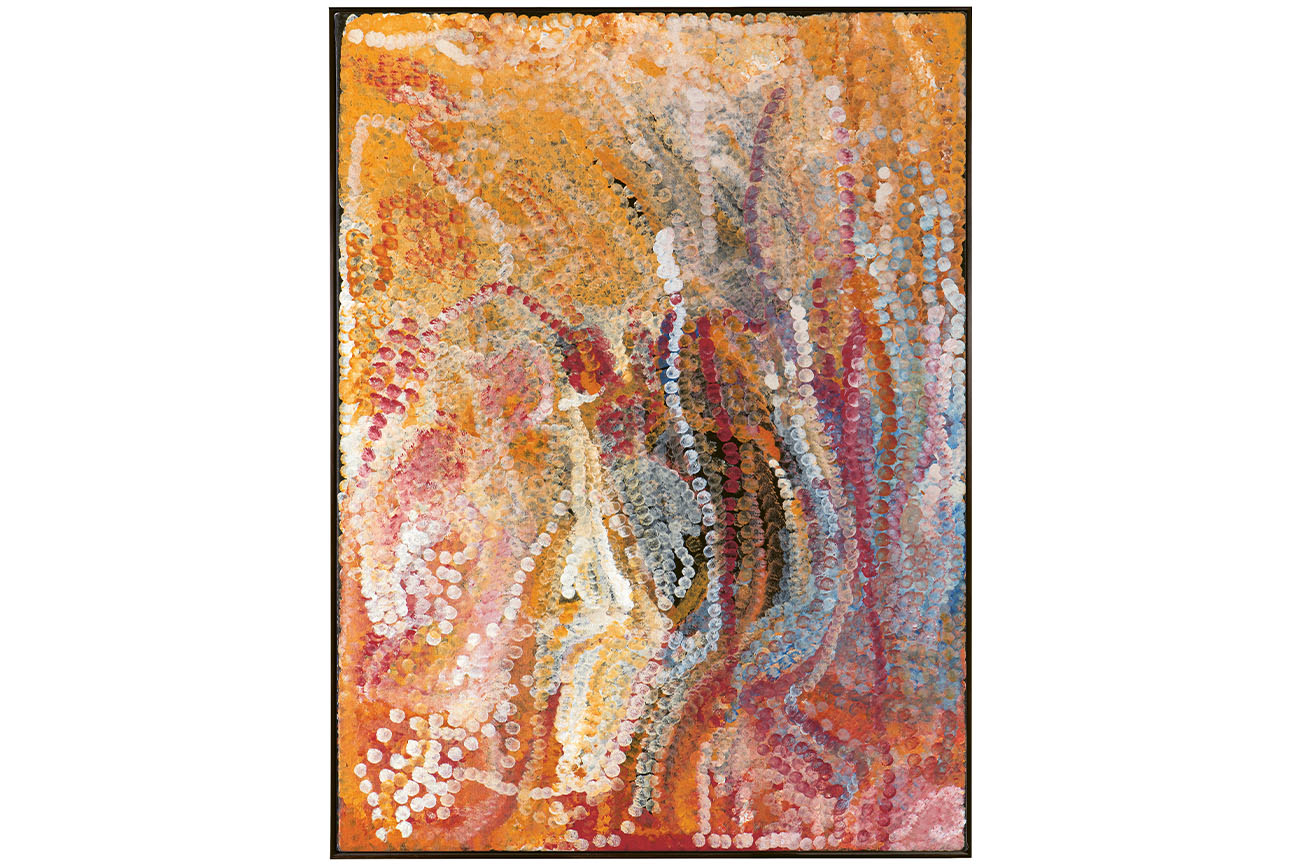
Some of our most exciting moments have stemmed from working as a team abroad. Whether it be our first experience presenting at Frieze Masters and having a near sellout for Emily Kam Kngwarray, or more recently through the many great friendships we have forged through our collaboration with Pace Gallery.
US & JS
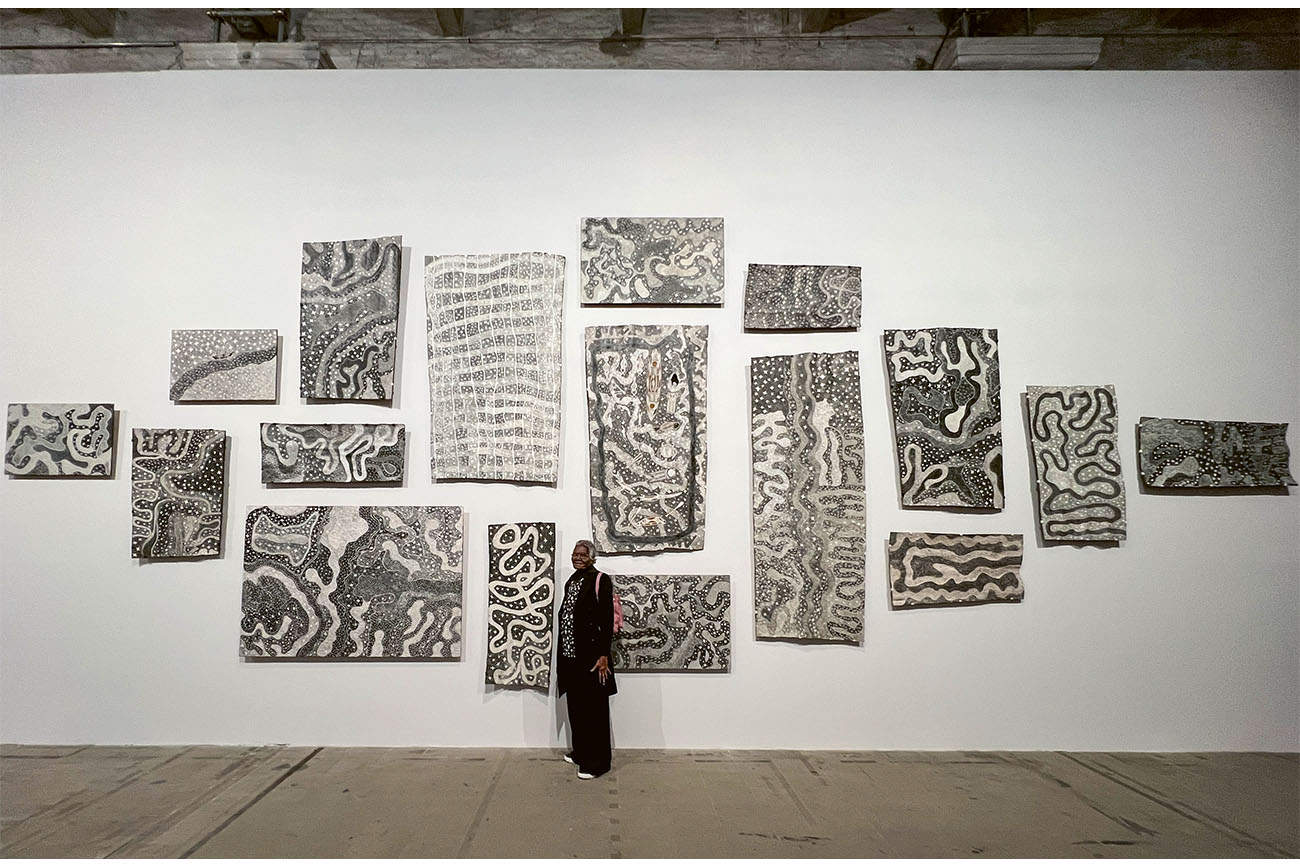
There are so many great memories, far too many to mention. A few stand out: the launch of Lindy Lee’s historic public sculpture Ouroboros, the largest commission in the National Gallery of Australia’s forty-year history; Naminapu Maymuru-White’s installation at Adriano Pedrosa’s exhibition Foreigners Everywhere, and her grandson Billy performing the yidaki in front of the works in the Arsenale. There is also this unforgettable day in 2011, when our artists won the three most significant art prizes in Australia: the Archibald and Wynne (Sam Leach) and the Sulman (Michael Lindeman).
TM
A beer with the team in an empty art fair booth after pack-down, following a sell-out presentation. A moment of shared achievement. You rarely get such clear “finish-line” moments in the art world.
LGT
How would you describe the art market scene in Sydney, and more broadly in Australia?
CM
Commercial galleries are crucial components of the arts ecosystem in terms of providing a platform for artists to exhibit their work, as well as make their practice financially viable. Galleries are often assumed to be somehow “nefarious” because of the commercial aspect, but they are the closest conduit between the artist, their works, and the audience. COMA occupies a unique place in the Australian art ecosystem because we focus primarily on presenting international artworks for the first time in this region, often before they are shown in major international projects. The convergence of these two dimensions, global and regional, is what makes the artwork to me so fascinating and multidimensional.
DD
Our mission is to create a circular system: elevating this segment to an international level by presenting only the best artworks on the market in an educational and historical context, then circling back to support new artists through our primary market exhibition program. We share 30% of our net profits with artists, art projects, and community initiatives.
US & JS
We are, above all, supporters of artists. Our role is to understand each artist’s vision, values, and ambitions, and to provide them with the platforms, opportunities, and professional support they need to achieve their goals.
TM
Good galleries are not shops. Their role is to build artists’ careers over the long term. That means consistent exhibitions, careful market development, and placing works into serious private and public collections. We see ourselves as long-term partners to both artists and collectors. Much of the work happens behind the scenes: we produce exhibitions, place works into institutional collections, present artists at art fairs and steadily introduce their work to new audiences internationally. That commitment means consistent and careful market building at every stage of an artist’s career. We place a strong emphasis on identifying and developing new talent, while also working with established and mid-career artists whose practices deserve renewed attention and momentum.
LGT
What do you see as the main challenges facing the art scene in Sydney today?
CM
Because Australia is a regional market, the market is naturally smaller, which means art markets move more slowly from one phase to the next due to a lack of competing collectors.
DD
One of the biggest challenges here in Australia is the reluctance among some galleries—not all—to collaborate, share their knowledge, or celebrate the success of others. I would like to see this change so that we can work together to create a more collaborative and supportive marketplace. I learned a lot from my late dear friend William Mora, who always shared his knowledge, time, and space with confidence. And for that, I will always be grateful to him.
US & JS
The geographical distance separating Australia from traditional global art centres—London, Paris, and New York—has always been a challenge for Australian artists. That said, our extraordinary Aboriginal artists and our proximity to Asia offer exciting opportunities for cultural exchange, innovation, and international visibility.
LGT
Some emergent artists to follow in town?
CM
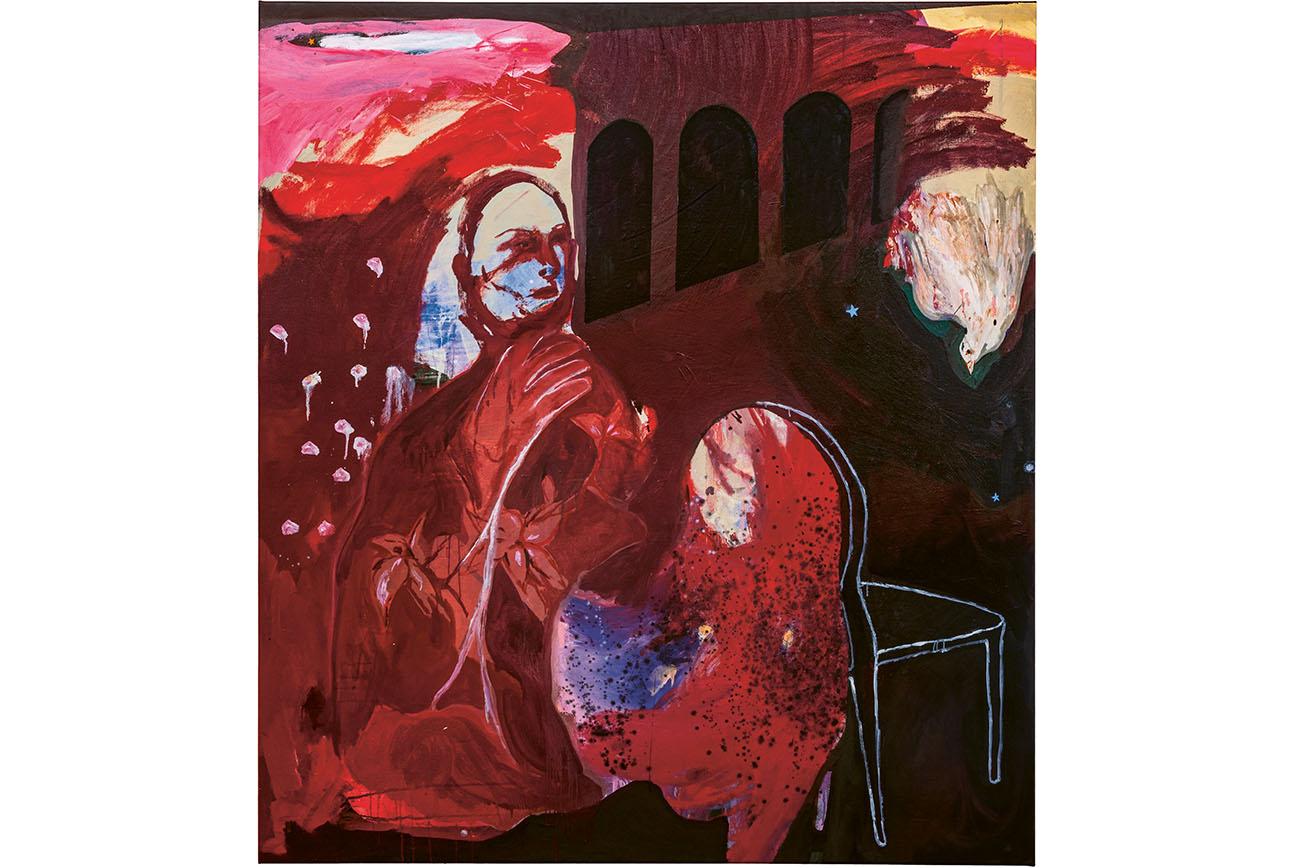
Melbourne-based painter Renée Estée is an incredible artist and conjurer of emotion. Her large-scale oil paintings link ideas and imagery of the Australian outback, hauntology and contemplations of afterlife beliefs to conjure spaces where she can commune with the deceased and content with future loss.
DD
Janet Koongotema; Jane Margaret Tipuamantumirri; Gaypalani Waṉambi; Motorbike Paddy Ngale; Timo Hogan; Patju Presley.
TM
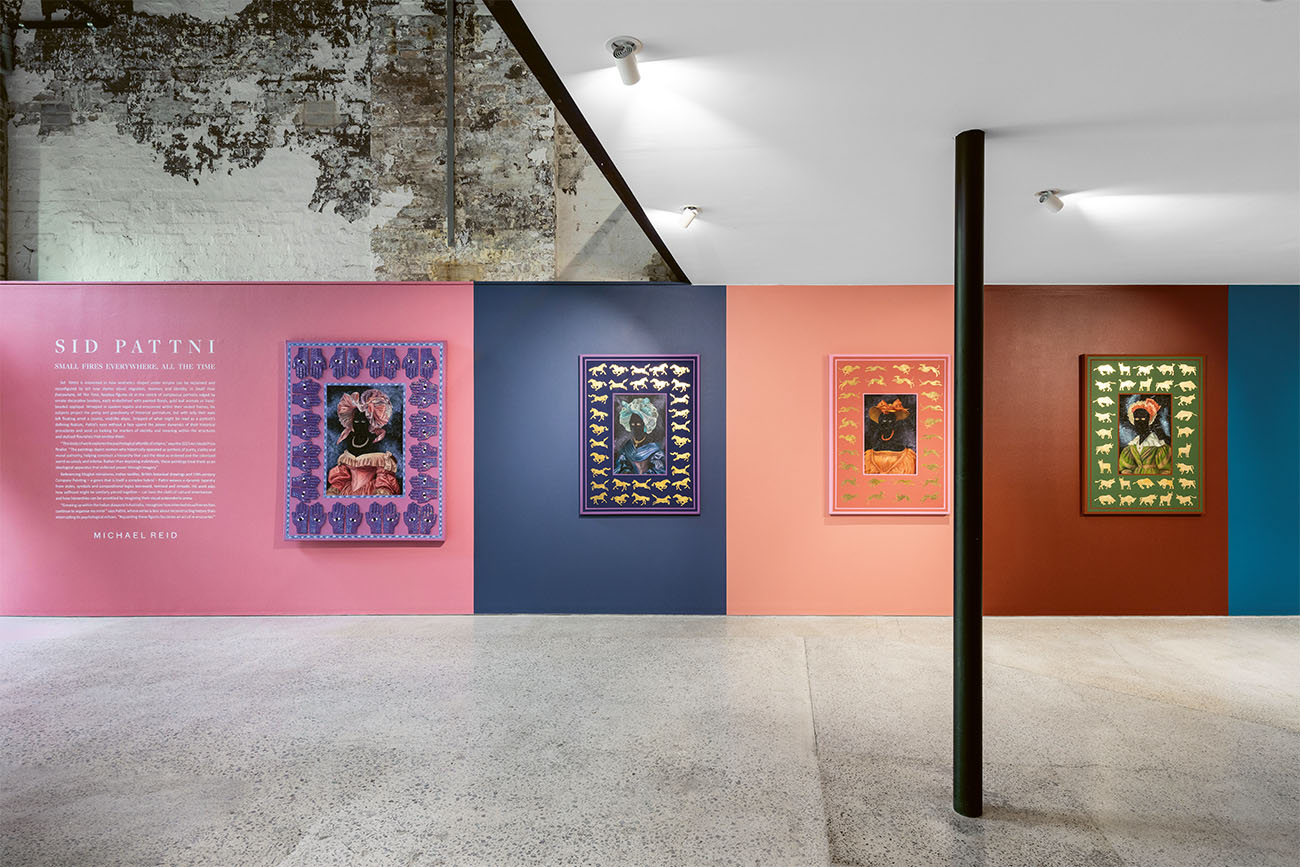
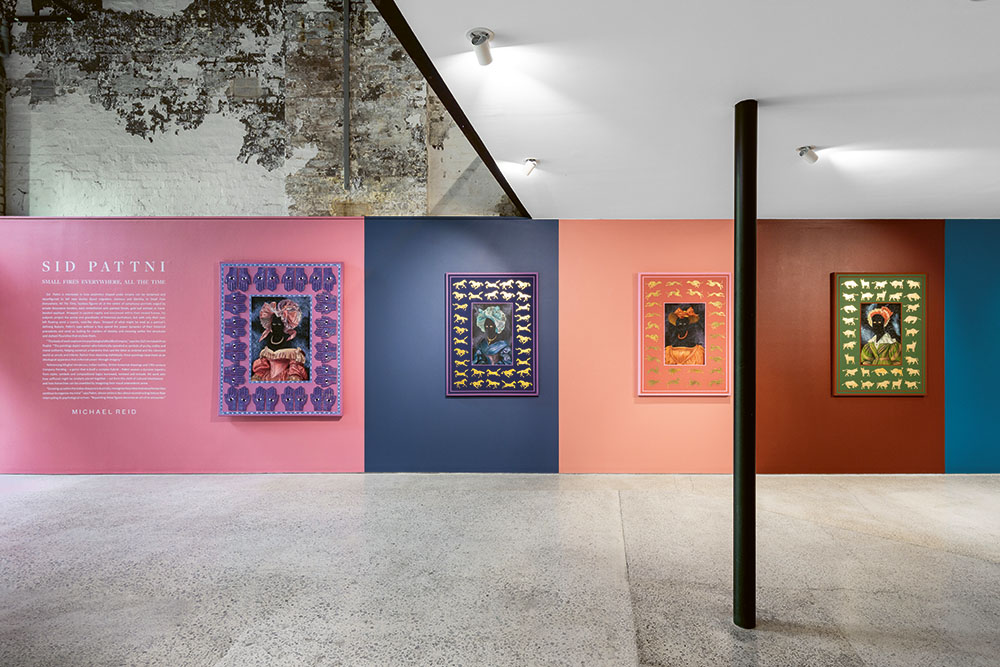
Six years ago, my colleagues and I established the National Emerging Art Prize (NEAP) to create a national platform for outstanding early-career artists. The aim was simple: to identify serious new talent and give them the professional exposure that can shift a career through mentoring, exhibitions and collector attention. In a relatively short time, NEAP has become an important proving ground. A good example is Sid Pattni, whose work first came to wider attention through the prize and who has since developed into one of the most compelling emerging voices in Australia.
Not to be missed
@Sullivan+Strumpf: Natalya Hughes, The Lean
(23 April – 17 May 2026)
@Michael Reid: Tim Maguire
(7 – 30 May 2026)
@COMA: Eleanore Louise Butt, Unfolding Fields
(15 May – 13 June 2026)
@D Lan Galleries: SIGNIFICANT
(7 May – 27 June 2026)